
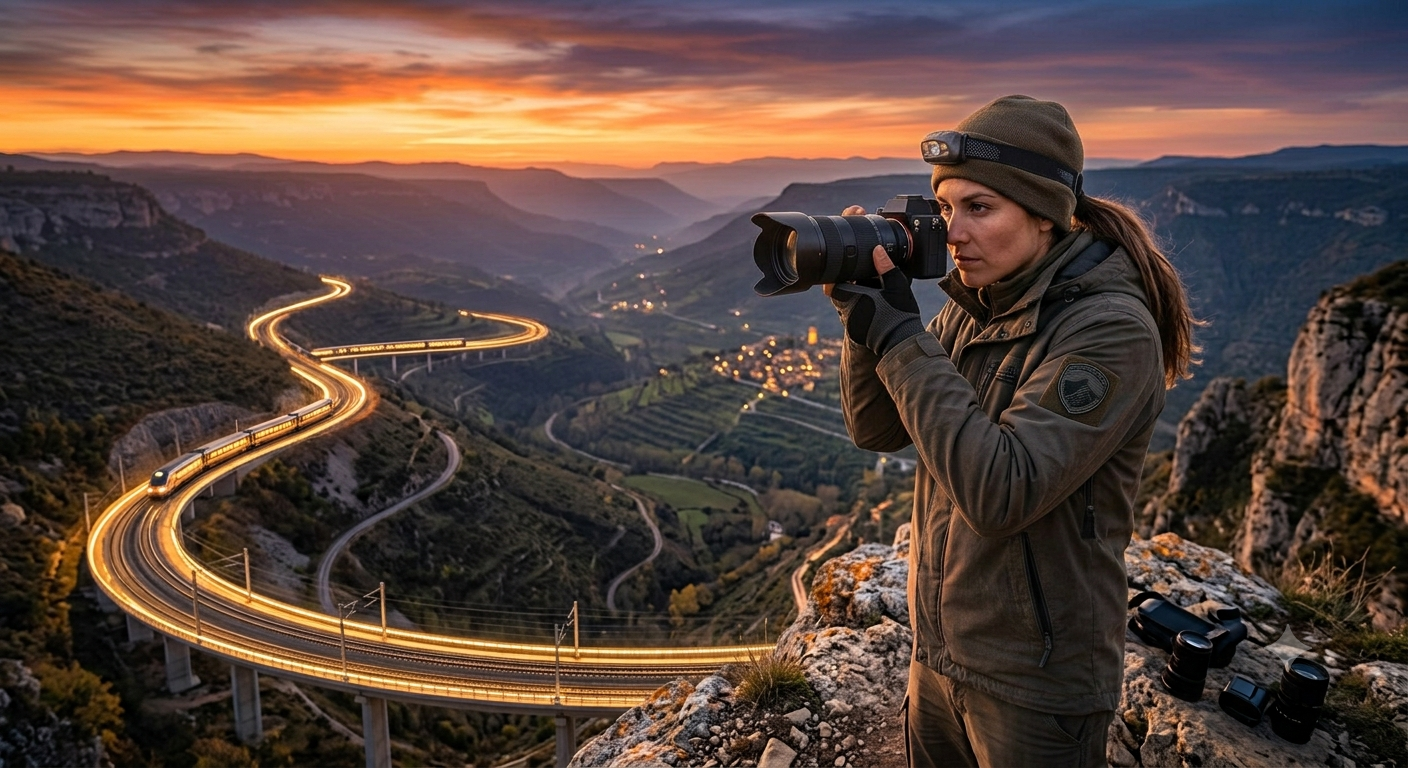
Travel Photography Tips: How to Capture Unforgettable Moments
Traveling is one of life’s most enriching experiences. Exploring new cultures, tasting exotic cuisines, walking through historic streets, and contemplating breathtaking natural landscapes create moments we cherish deeply. However, human memory naturally fades over time, and that is precisely where the magic of travel photography steps in. A great photograph possesses the unique power to transport us back in time, instantly reviving the aromas, sounds, and emotions of a journey.
Despite this, travelers frequently return home with hundreds of generic smartphone or camera snapshots—images that resemble impersonal postcards rather than the true spirit of the destination. Exceptional travel photography does not require thousands of dollars in high-end professional gear; rather, it relies on a sharp eye, storytelling intent, and an understanding of basic composition and lighting techniques.
In this practical guide, you will discover actionable tips to transform your vacation photos into striking, expressive visual memories filled with personal meaning.
1. Visual Planning: Research and Location Scouting
Great travel photography begins long before you pack your bags. Conducting pre-trip research helps you identify not only famous landmarks, but also hidden gems and unique cultural moments.
Before departing, browse Instagram, Pinterest, and travel blogs to understand which angles have already been overdone. The goal is not to copy existing photos, but to grasp the visual landscape so you can seek out fresh, original perspectives. Utilize Google Maps in satellite view to map out scenic viewpoints, charming alleys, and lively public squares.
Additionally, learn how the destination operates. Find out when local vendors set up morning markets, when cultural festivals take place, and how sunlight falls across key locations throughout the day. Pre-trip preparation saves precious time and prevents missed opportunities once you arrive.
2. Mastering Natural Light: Golden Hour and Blue Hour
Lighting is the single element that separates a bland snapshot from a breathtaking photograph. In travel photography, where studio lights are rarely an option, learning to read and utilize natural light is paramount.
The Golden Hour
Occurring during the first hour after sunrise and the final hour before sunset, the Golden Hour features low-angled sunlight casting a soft, warm, amber glow with gentle, elongated shadows. It is the ideal time for portraits, landscapes, and architecture, as the diffused light eliminates harsh shadows beneath eyes and noses.
The Blue Hour
Occurring during the $20$ to $30$ minutes immediately following sunset or preceding sunrise, the sky turns a deep, saturated blue. This creates a striking visual contrast against the warm artificial glow of streetlamps, building illumination, and city lights. It is the perfect window for urban landscapes and architectural photography.
Pro Tip: Avoid photographing open landscapes or portraits at harsh midday. High overhead sunlight creates unflattering shadows and blown-out highlights. Reserve midday hours for visiting indoor museums, enjoying lunch, or exploring shaded markets.
3. Going Beyond Tourist Spots: Capturing Authentic Local Life
While photographing iconic monuments is essential, standard tourist landmarks rarely tell the complete story of a destination. To capture authentic memories, turn your camera toward the rhythms of everyday local life.
Explore street markets, train stations, residential neighborhoods, and public parks where locals gather. These spaces reveal the genuine culture of the place. Pay attention to the textures of market produce, the architectural details of weathered buildings, traditional modes of transportation, and candid human interactions.
Look for subtle details that convey the essence of your destination: a vintage café storefront worn by time, the skilled hands of an artisan shaping pottery, or steam rising from a street food stall. These small visual fragments add narrative depth and context to your travel portfolio.
4. Travel Composition: Techniques That Elevate Your Images
Composition refers to how you arrange visual elements within the camera frame. Applying proven composition principles instantly enhances the visual impact of your photographs.
-
The Rule of Thirds: Imagine a grid dividing your frame into nine equal rectangles with two horizontal and two vertical lines. Position your main subjects (such as the horizon line, a person, or a building) along these lines or at their intersection points to create a dynamic, balanced image.
-
Leading Lines: Use roads, railway tracks, hallways, rivers, or pathways to naturally guide the viewer’s eye straight toward the focal point of your composition.
-
Natural Framing: Utilize architectural arches, windows, overhanging tree branches, or bridges to frame your primary subject. This technique adds three-dimensional depth to an otherwise flat image.
-
Scale and Proportion: When photographing grand landscapes like mountain ranges, canyons, or vast deserts, include a human figure or vehicle in the frame. This human element provides a scale reference, highlighting the true magnitude of nature.
5. Ethical Portraiture: Photographing People with Respect
People are the beating heart of any destination, and travel portraits can become the most compelling images of your trip. However, photographing locals demands sensitivity, respect, and ethical awareness.
Never treat local residents merely as tourist props. Before raising your camera, establish a genuine human connection. A warm smile, a friendly greeting in the local language, or a polite gesture asking for permission goes a long way. If someone appears uncomfortable or declines, respect their decision immediately.
When granted permission to take a portrait, share the resulting image on your camera screen or phone. This simple gesture breaks the ice and generates genuine joy. If you promise to send the photo via email or social media, follow through. Always remember that human dignity ranks far above any photograph.
6. Gear and Logistics: Packing Light Without Missing Opportunities
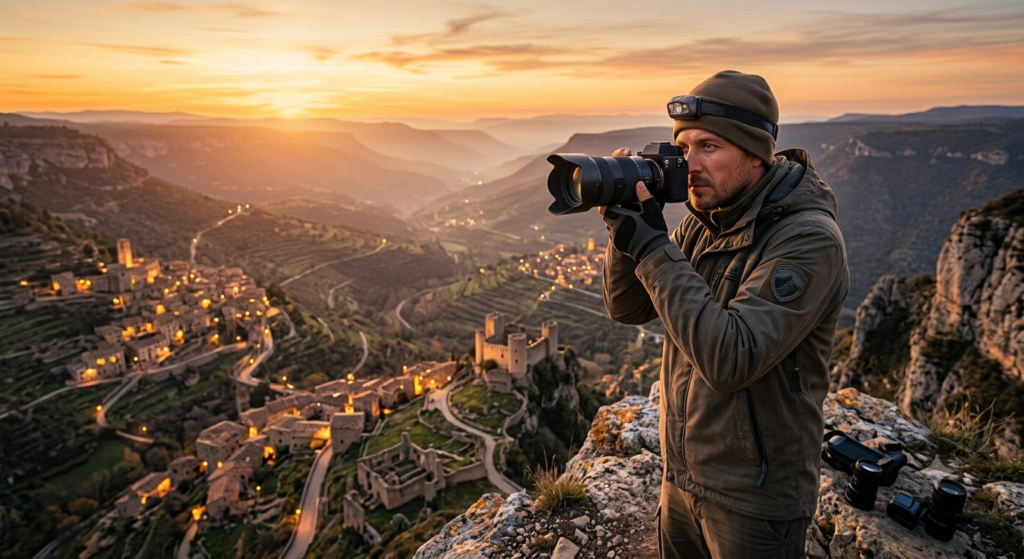
One of the most common mistakes enthusiastic travel photographers make is carrying heavy backpacks stuffed with multiple lenses, tripods, and bulky accessories. Excessive gear leads to physical exhaustion and prevents you from moving quickly to capture spontaneous moments.
The core guideline for travel photography is simplicity. If you shoot with an interchangeable lens camera, opt for a versatile zoom lens (such as a $24\text{–}70\text{ mm}$) or a single lightweight prime lens (such as a $35\text{ mm}$ or $50\text{ mm}$).
If you shoot exclusively with a smartphone, make full use of modern features like portrait mode, manual exposure control, and ultra-wide lenses. Always pack a reliable power bank, microfiber lens cloths, and back up your daily images to cloud storage or extra memory cards.
7. The Human Element: Creating Dynamic Travel Narratives
Empty landscape photos can sometimes feel distant and clinical. Introducing a human element brings life, scale, and a narrative thread to the frame, helping viewers place themselves inside the scene.
Instead of asking travel companions to pose stiffly while smiling directly into the lens, capture candid, unscripted moments. Photograph your partner walking down a historic cobblestone lane, admiring artwork in a quiet gallery, or enjoying a coffee at a sidewalk café.
Incorporate natural motion into your compositions. Children playing in a village square, bicycle traffic in Amsterdam, or ocean waves crashing against coastal rocks introduce energy and movement. A memorable travel photograph captures not just what a location looked like, but what it felt like to be there.
8. Frequently Asked Questions (FAQ)
Do I need an expensive professional camera to take great travel photos?
No. Modern smartphones possess advanced image processing capabilities. Mastering natural lighting, applying solid composition techniques, and developing a keen eye for moments matter far more than camera specifications.
How can I photograph crowded tourist spots without people in the background?
You can arrive early at sunrise when major sites are practically deserted. Alternatively, you can use a tripod to take long-exposure shots (or utilize smartphone editing tools that automatically remove moving pedestrians).
Should I edit my travel photos or keep them completely natural?
Subtle editing is highly recommended. Adjusting contrast, exposure, white balance, and saturation brings digital photos closer to what your eyes experienced live. The key is avoiding heavy, unnatural editing.
How do I keep my camera equipment safe while traveling?
Use a discreet, non-descript camera bag that doesn’t scream “expensive equipment,” keep camera straps secured to your body or wrist, and never leave gear unattended in rental cars. Use waterproof covers during rain or dusty conditions.
9. Conclusion: Preserving the World Through Your Lens
Travel photography is an ongoing art of discovery, patience, and connection with the world around us. It challenges us to slow down, observe subtle everyday details, and appreciate the rich diversity of global cultures.
Far beyond filling memory cards with digital files, the true purpose of travel photography is building an authentic visual diary of your personal life journey. By planning ahead, seeking soft morning light, and documenting local life with respect, your photos transform from simple snapshots into vivid, lifelong memories.
On your next journey, keep your camera ready, but remember to experience the present moment with your own eyes first. Striking the balance between being present and knowing when to press the shutter guarantees the most beautiful, unforgettable photos of your life.